
Marvel’s Wolverine
Role: Game Design Intern (May-Aug), Contract Associate Game Designer (Aug-Present)
Duration: May 2025-Present
Engine: Proprietary
Studio: Insomniac Games
What I did:
Designed + implemented scripted gameplay sequences and combat encounters
Created a game-wide doors system
Resolved hundreds of design issues and bugs
Collaborated on iteration and refinement of player mechanics
Overview
I started working at Insomniac as a Game Design Intern, where I mainly created and pitched spaces for collectibles, fixed a wide variety of design related bugs, and assisted in updating a senses-based mechanic. This internship was my first time using visual scripting, which I then used to begin fixing bugs in different areas of the game including mechanics, cinematics, interact prompts, and traversal markups.
Directly following my internship, I was hired as a contract Associate Game Designer, which I am working as now. My primary contributions include the implementation of a game-wide doors system, creating combat encounters for missions, and continued bug fixing and polish to get the game ready to ship. Implementing the doors system required creating scripted prefabs, which I then implemented into pre-existing missions spanning the entire game. I then tweaked the door placement, scripted in bespoke events when needed, and made iterations to polish the overall experience of bashing through, kicking down, or clawing through a door.
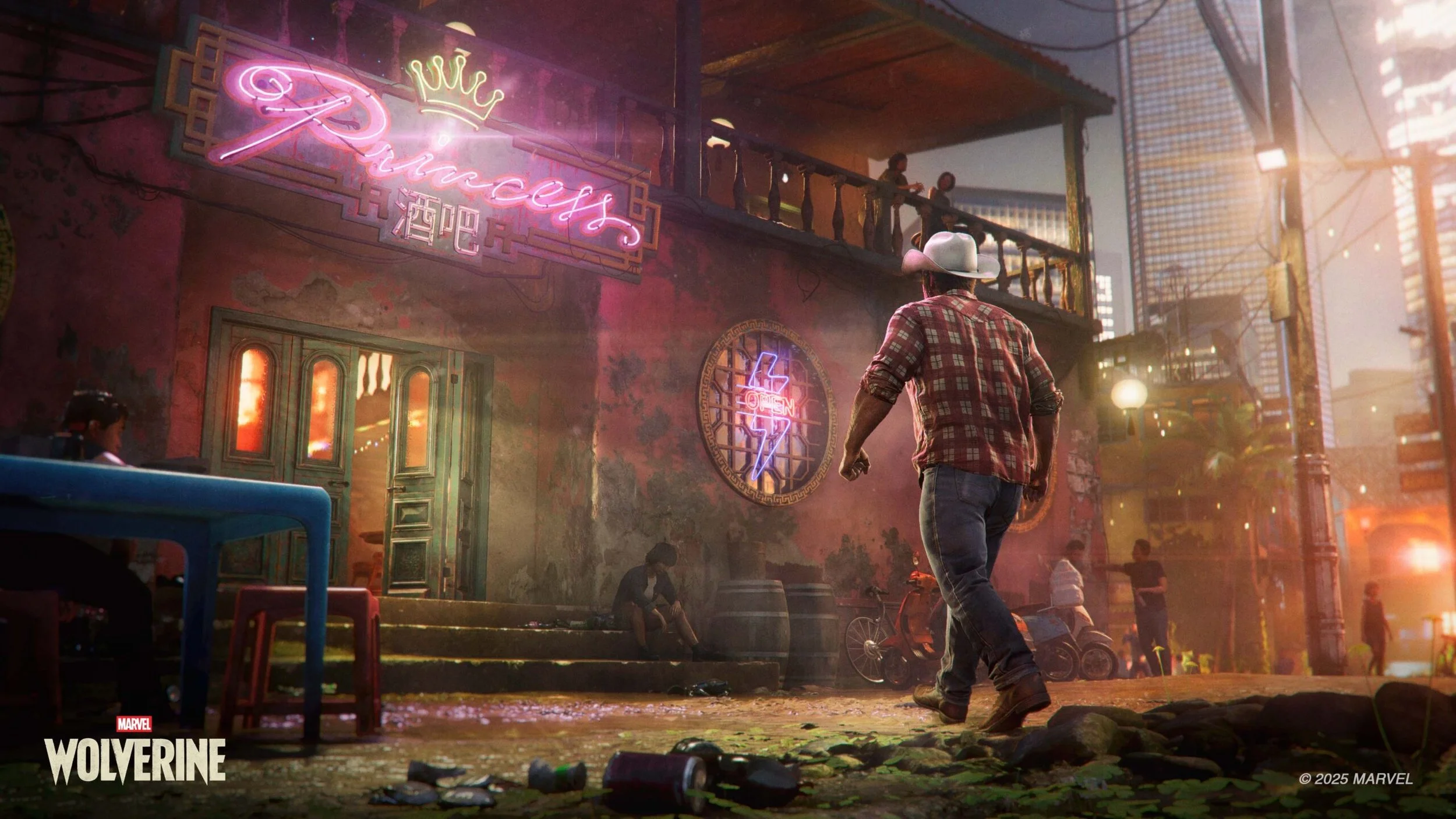
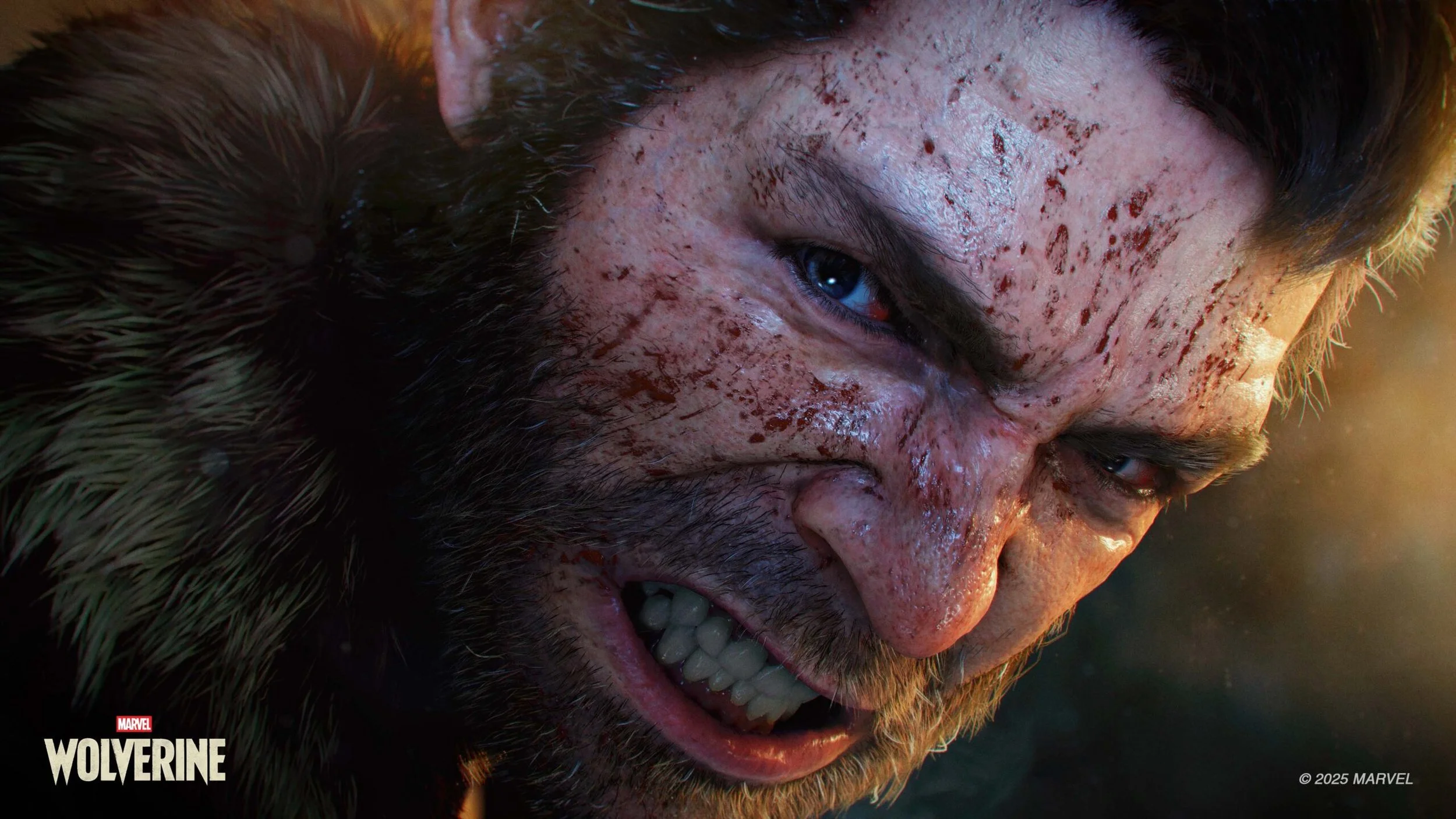
Case Study - Collectible Placement
When pitching a space to house a collectible, I first played through the mission and considered where would have the most natural player exploration; gameplay flow, combat encounters, and narrative were all considered. Once I had selected a few location candidates, I created narrative and visual pitches for the space - What is this space used for, and why does it fit into this general mission location? Why would this collectible be here? How does this relate to other characters or lore of the game?
I then designed the spaces first from a top-down view using paper mapping, then in 3D as a blockout. I considered the player’s path through the space, experience of entering and exiting, and sightlines to the collectible. I cannot include any pictures of my process due to my NDA.
Key Takeaways
I have learned a lot in my time at Insomniac so far! One of the most important? When to move on. It can be hard (especially as a junior) to know how long to work on something before reaching out for help or even changing to a different task entirely. However, I’ve learned that my time is much better spent discussing the problem with other designers or even moving on to something I do know how to do, rather than spinning my wheels on a task I’m completely stuck on.
Another lesson I’ve learned is just how important communication is, both in game development as a whole and as a designer specifically. Since we touch so many areas and systems of the game, it is crucial to be able to adapt to new pods and communication styles, and quickly understand the other party’s (and describe your own) needs.
Both of these skills are vital to an efficient studio and a team where individual strengths are featured and well utilized.